Container choices

Gardening is all about choice. You get to choose what you want to grow, how you want to grow and where you want to grow. For apartment dwellers, the choice of place to grow is very limited and that is when containers come for rescue. Ok! now we have pots of all sizes and materials available in the market right? so where is the problem? Why a separate post for that? The problem is in the price! I am not sure about other countries or other states in India but if you are a software engineer in Bangalore, you are already paying 2-3 times the original price of a product. Especially when it comes to containers, the prices are way too expensive and it is not at all justified.

Sometime back, I checked the price of a plastic window sill planter (pic below) and its price is whopping 300 Rs!?.. I mean it was good looking and all.. but seriously 300? I just couldn’t digest the fact.

Priced at Rs 300/- a piece.

MyGarden 804

I started searching for options and found many other alternatives. I found many places in Bangalore where plastic items are disposed and trucks used to collect in loads for recycling. I checked the nearby “Gujiri shops” ( i dont know what it exactly means though), i used to pass by when commuting to work. They had lots of containers with them such as milk crates, supermarket crates. etc.  Shown in the pic below is one such. Measuring 2 feet by 1.5 feet and 9 inches deep, it is the ideal container i can get for growing coriander, palak, lettuce and what not?

Guess how much it cost me? Rs 50 a piece… that is it. There was 4 such tubs and I got all the 4 of them for 200. Now tell me why would one buy for Rs 300.

MyGarden 789

Milk crates like the one below are sold by weight. A kilogram is around 30 Rs

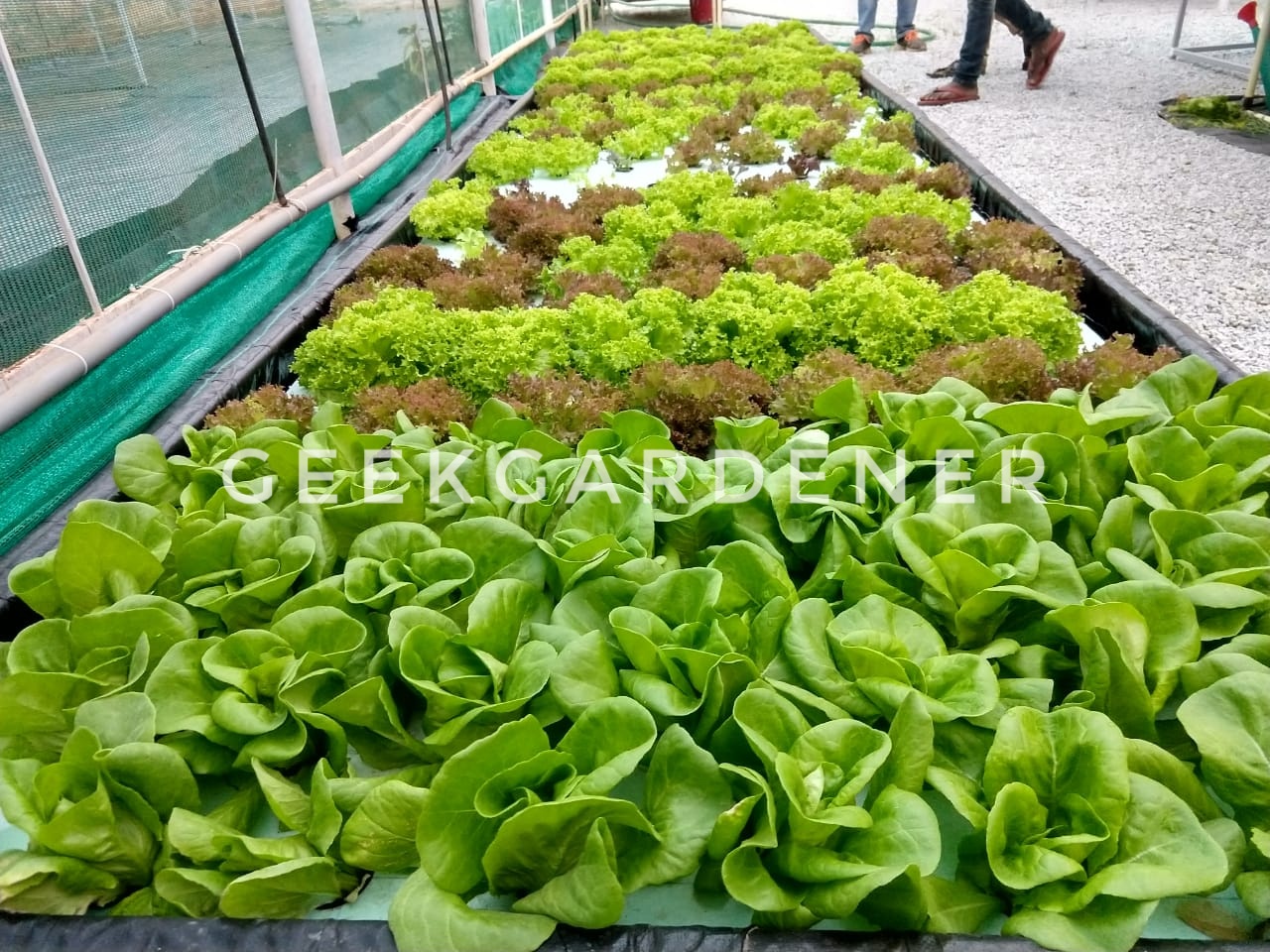
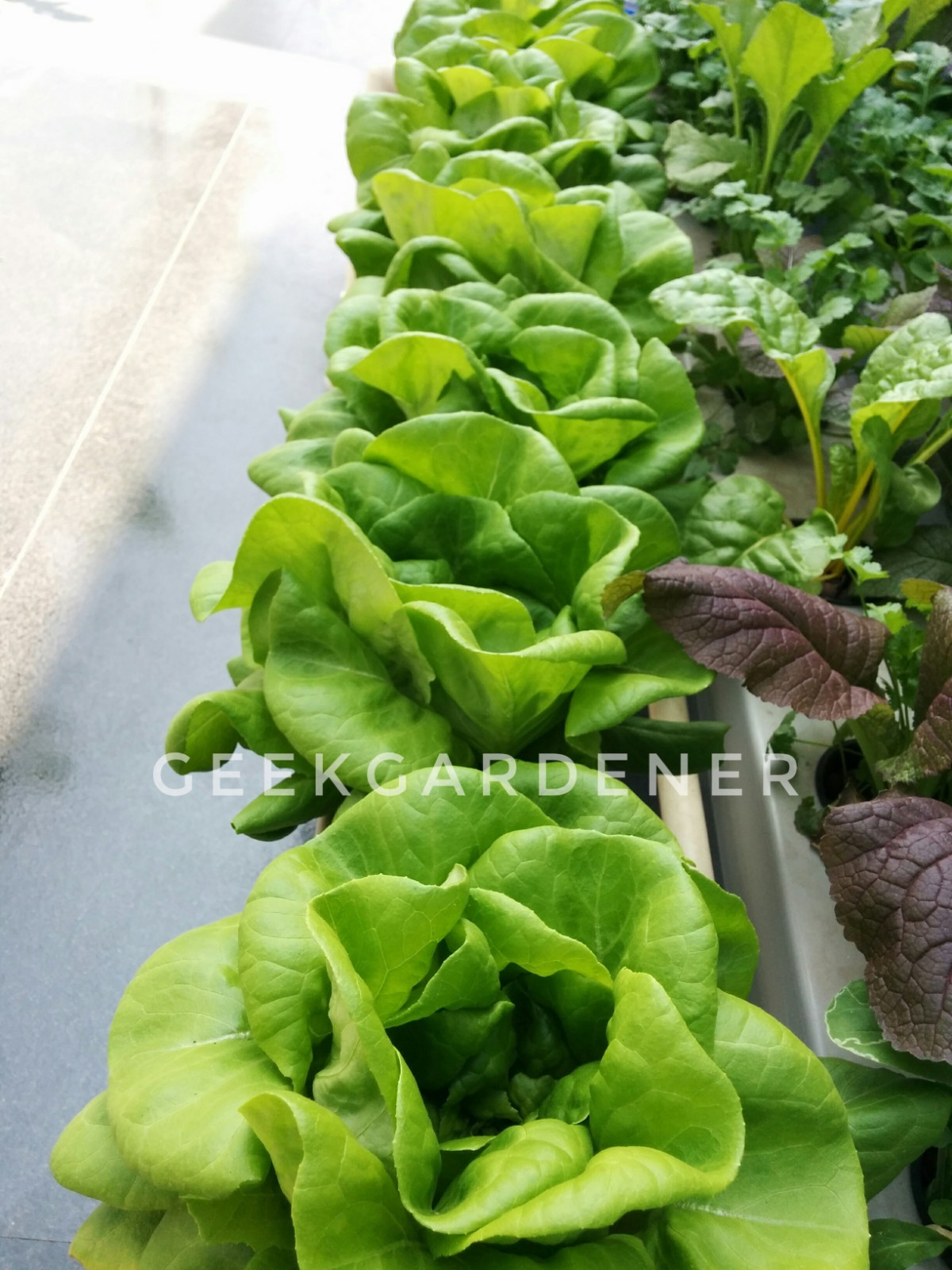
Lettuce is growing happily in it..

MyGarden 796

Also, dust bins are very versatile containers ,though their life is not that great and start breaking after 6 months if you keep in the hot sun. But if you are growing in balcony, it is the best you have got.

Price: Rs 14 a piece. Unbelievable but true. It holds 8 litres of media. If you buy a similar sized pot from a garden shop you will be charged atleast 75 bucks. You can buy these dustbins for the above said price only in few places. Your next door supermarket might sell this to you for Rs 50..atleast mine does. This is for Rs 14 a piece in Avenue Road.a.k.a city market.

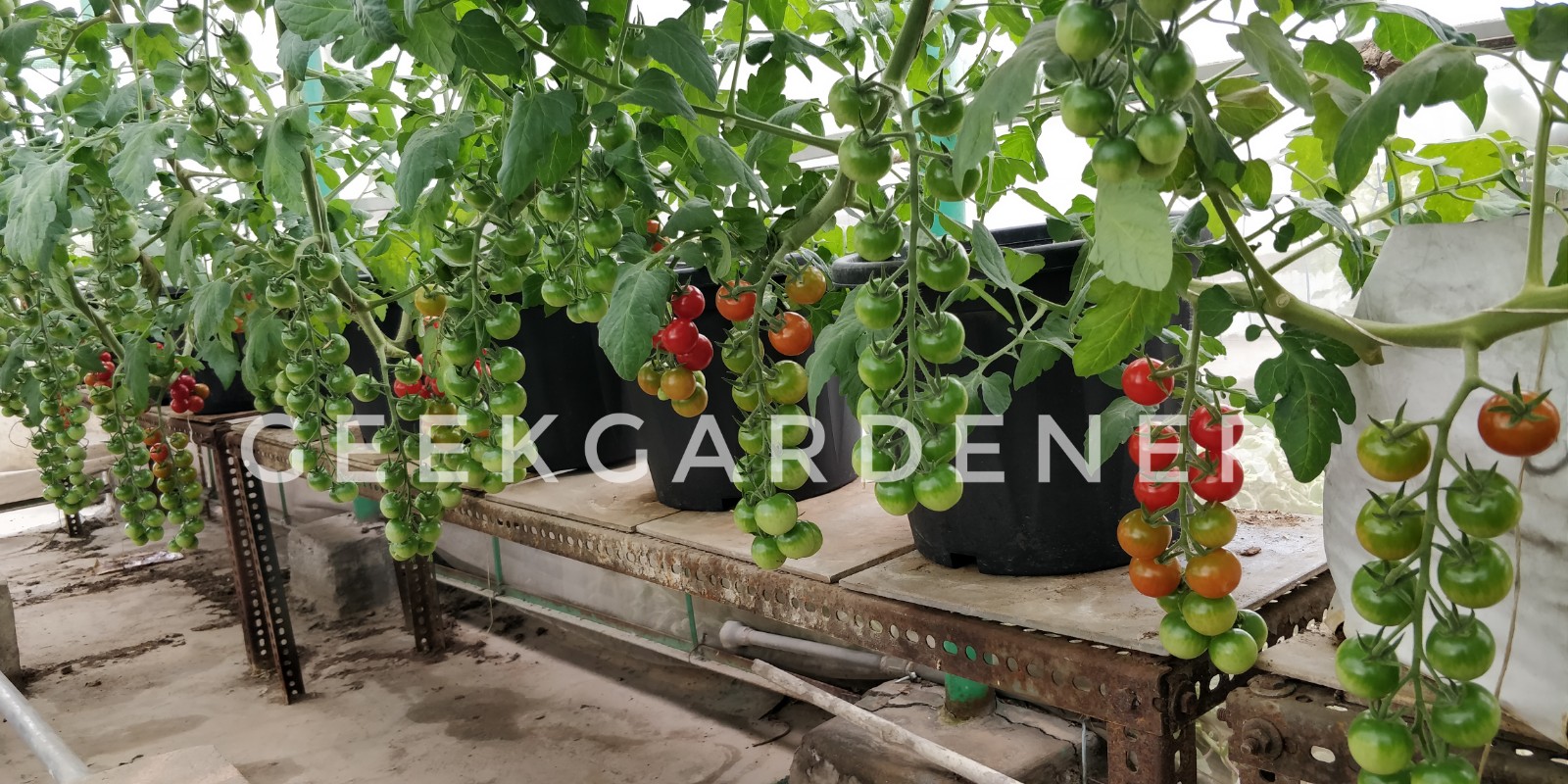
I have grown tomatoes, Okra, chillies and am growing cabbages in these bins. Works like a charm and cheap!.

MyGarden 790 


If you are looking for big size containers, paint buckets are your best friend. They come in 20L volume and has a handle too. It might cost you around 50-70rs a piece. This is a fast selling item. Many use it as a bucket.

Tomatoes, Eggplant, Capsicum grow well in 20L buckets and almost all other vegetables can be grown.

MyGarden 793

my latest addition is this tin. I am yet to make holes in this tin because it is so good. It is priced at 70 a piece. 1ft dia and 1.5 foot deep.

MyGarden 785


Last but not the least! Polythene and HDPE bags. The bags in which potato plants are growing came with compost. So they are pretty much free.

Image(772)

The thick polythene bag below holding a eggplant is sold at around 80/- per kg.

MyGarden 629

And if you have the necessary tools, you can convert old PVC pipes into growing machines. We will see about that in one of the future posts.

If you have a fat wallet  then garden shops are your friend. But if you want value for money and don’t mind the looks, then there are so many options. go start searching your neighborhood. Once you find such a place you will never buy those pricey pots.

This list is not exhaustive and remember there are million more options.Creativity is the limit. But please don’t use eggshells and old shoes ;-)

gg

Growing Coriander in container

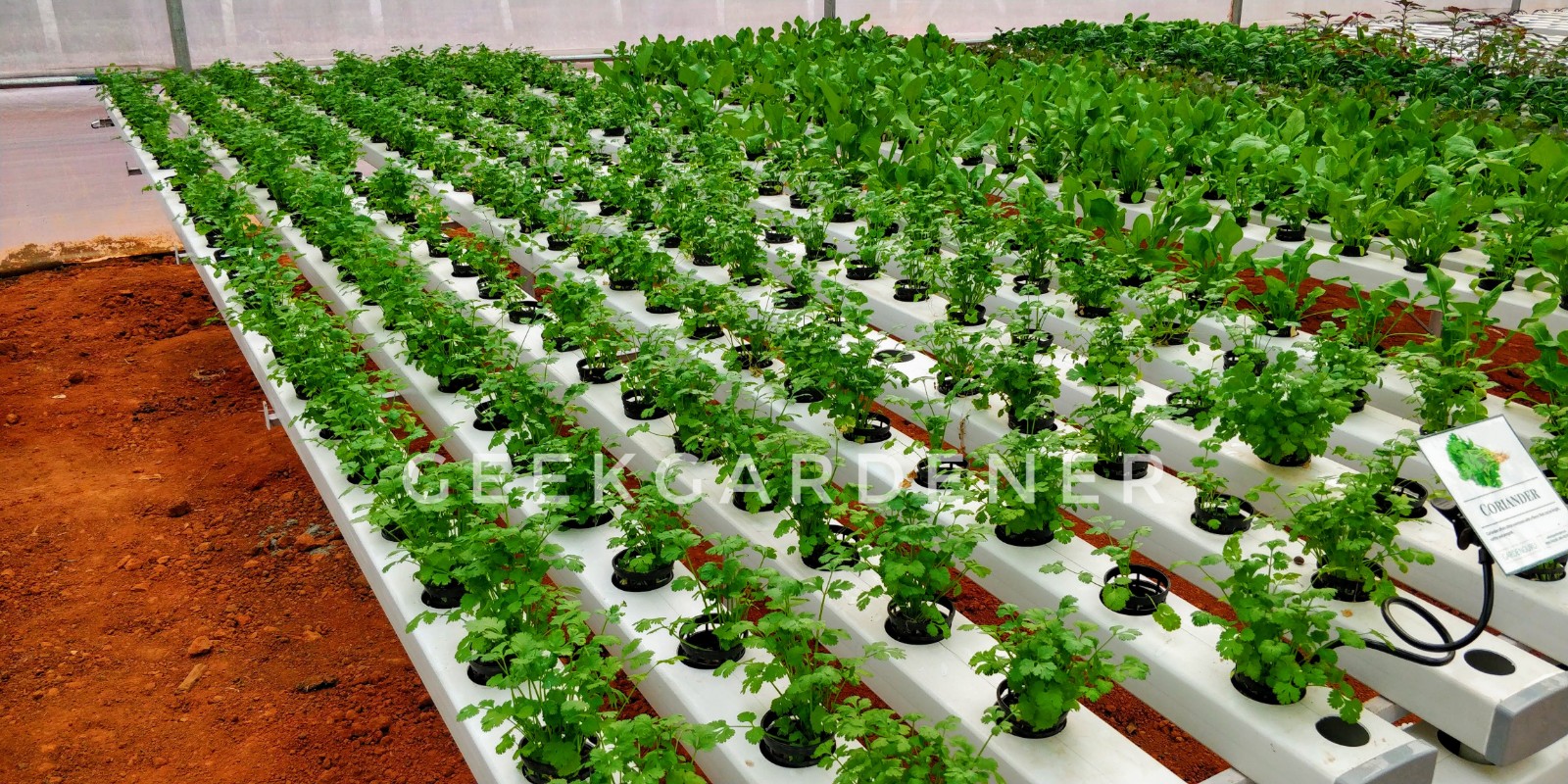
Coriander a.k.a dhania in india a.k.a cilantro in the west is something that is used everyday in Indian cuisine. Either the seeds or the green leaves spice up our food. This makes Coriander a must grow for every kitchen garden. The reason it is an ideal candidate is a) it is very easy to grow b) grows very fast c) you can get the yields at a very early stage and it keeps yielding.

This post is all about seed starting coriander in containers. It doesn’t transplant well. So choose a container thats big enough to grow many plants. I usally use trays/tubs to grow them since the soil surface is more in tubs and hence we can grow rows of coriander.

Coriander seed is technically a fruit containing two seeds in it. So the round thing that you see has two seeds in it. Each of them will grow into a coriander plant. The fruit can be sown whole or split and sown. When split, it increases the germination rate since it scarifies the seed.

Here is a picture of how a split coriander seed looks like

MyGarden 781

So how to go from a whole coriander seed to a split one. The way I do is, I wear a slipper in my hands; spread the seeds on the floor ( preferrably a rough floor and not the tiles) and keep the slipper on the seeds and gently move the slipper while pressing them. This is not the place to show your strength. remember we are not making coriander powder so be gentle ;) .

Try it. The good thing about gardening is you get to do things you would have never done before :D . One can sow the whole seed as well. It is more easier when you split.

I took a tray with potting mix filled all the way upto half inch from the top. Then make rows by drawing a line with your index finger or a stick. Simply sow the split coriander seeds in that row and once it is done, cover the seeds with coco peat. Water them and wait!.

It starts germinating somewhere between 5-7 days. It will look like this..

MyGarden 740

once they start germinating, keep them in a place that receives good amount of sunlight.

They will start growing vigorously and will look like the pic below.

MyGarden 771

In another 10 days time, they should be ready for use.

How many times we get sad looking, drooping coriander leaves from the market after paying so much for it. You get to grow fresh coriander like this if you do it on your own. Think of the coriander pot as a natural refrigerator that keeps things fresh for a looooonnng time ?..

MyGarden 772

Enjoy!

gg

Updates on Cabbage.

Earlier  I Transplanted the cabbages and also blogged about it in this post. I thought I will post a picture or two on their progress. The pictures shown below are 15 days after transplanting. The plants are kept in my east facing balcony.

Here they are.

MyGarden 737


Since this was in my balcony and away from other plants, there is not much of pests/insects problem.

MyGarden 738

In the picture below, we can see that the leaves have covered the entire pot. I noticed that this reduces the water loss through evaporation from the soil surface. Again due to the large leaf, water loss through leaf will be more. The dust-bin pot has worked well so far for these cabbages.

This variety is called ‘”Earliana” and is supposed to mature at 60 days from the date of transplanting. Lets see how it fairs..

MyGarden 739


As always comments, suggestions, queries are most welcome!.

gg

November – Sowing season

Bangalore is gifted with such a wonderful weather that we stopped waiting for seasons to sow vegetables. We sow them at our will. To some extent it is Ok since most of the veggies grow well round the year in Bangalore. However, for some veggies, it is important you wait for the right season to sow it.

In this post, we shall see the list of vegetables that can be sown in November.

Leafy Vegetables:

  • Palak ( Indian Spinach)
  • Fenugreek(Methi)
  • Lettuce.
  • Coriander.

Gourds:

  • Ash gourd
  • Ride gourd
  • Bottle gourd
  • Sponge gourd
  • Snake gourd
  • Water melon

Root crops:

  • Radish
  • Carrot
  • Beetroot

Brassicas:

  • Cabbage
  • Cauliflower
  • Knol Khol

Other Veggies:

  • Tomato
  • Chillies
  • Capsicum
  • Brinjal
  • Cluster bean
  • Peas
  • Bean.

Hope this info is useful to all of you who are gardening already and also to those of you who are thinking of starting.

This info is specific to Karnataka but should be applicable to Tamilnadu and AP as well. If you need info specific to your state let me know. I will include it.

Experiment with Hybrid seeds

In my recent articles about seed saving, I had mentioned the consequences of saving seeds from a plant grown from hybrid seed. There was also some explanation on why saving such a seed will not produce the same type of yield that you got to begin with. While it is good to understand the concept theoretically we always need some visual proof as to what happens if we really save the seed from a hybrid plant. In this post, we are going to see just that.

Last year, I had purchased White brinjal seeds.By white I mean milk white. The moment I saw that brinjal seed I was taken away. It had glowing white color and it was priced at 50/- per packet. I didn’t bother too much about the fact it is hybrid or not. What went in my mind was, the packet has many seeds!..why should I bother about saving the seeds. I don’t even know if i can use all the seeds. Anyway, I bought those seeds and sowed them without any delay. I got a bountiful harvest whose pictures I posted in this blog here. One of those plants, had a huge brinjal which I left for seed. The white brinjal when ripe becomes yellow in color.

MyGarden 714

After it reached the stage I can collect seeds, I did the obvious.I collected seeds and sowed most of them back. All of them germinated with in 3-4 days and I had lush green seedlings. I transplanted them into different pots. Things are fine so far. Due the difference in sizes of the pots, few started flowering early and few took their own time.

The first few flowers I saw were purple in color. The initial plant I grew from purchased seed was purple. You sow purple you get purple. Like the flower below, I was happy. I got the purple flower and the Brinjal was white as milk.

Purple flower and its fruit

MyGarden 758

MyGarden 757


Well,  After couple of weeks, I had few more plants starting to flower and guess what the color is White. Initially I thought, may be thats a ’sport’. More and more plants with white colored flower.

White flower and its fruit:

MyGarden 751


MyGarden 752

It dawned on me then!.. I went back again to look at the seed packet and there you go! it has hybrid written on it in uppercase. Interestingly, the ones with the white flowers have fruits that are dull white more towards pale green and the ones with purple yield perfectly white brinjal. Also, the size of the fruit has come down drastically. These could be one of the parents that resulted in the Hybrid.

Now what If i wanted those original seeds  that gave me good yield and big veggies? I guess i will have go to the seed company to buy it again. May be not. If I carefully sow many seeds and select the plants based on their traits may be I can get the same variety again. But who can do that?. This is exactly why you don’t save seeds from a F1 hybrid plant.

Seed Saving Lettuce

Earlier I wrote about Seed starting Lettuce with many pictures of various steps involved. I couldn’t blog about the results actually. Anyway, it took almost 2 weeks for 50% of the lettuce to show up and the rest of the 50% never really showed up. I was really disappointed. I started questioning the way I started those seeds and did some tests by starting them in different ways. 1. Tried soaking them in water for few hours, a day. 2. Put them in moist tissue paper towel to see if i have luck there.. still the attempts were futile. The seeds were supposed to be “imported” and it didn’t expire either. So what went wrong?. While I was thinking just that, one of my friend gave me some seeds from France.  I immediately sowed them the same way I mentioned in my post. This time my expectation was low. After just 1.5 days I saw one of the seeds throwing out white small roots.. Wow. this is like Magic. The seeds were fresh and they germinated in no time. Many sources in the internet mention that the age of Lettuce seed is 2 years.

In those 50% seeds that germinated in my first batch, I let a few of them to flower. Lettuces were not very happy with Bangalore’s weather(they need much cooler temperatures around 20 C) and it was much hotter.They were happy to flower. When a plant is stressed, it starts to flower. It is very interesting actually. Plant thinks that it cannot live longer in that environment and prepares to continue its generation by flowering and seeding much quicker. Lettuce is no different in hot climates. It bolts quickly. Here in this post I will mention about saving lettuce seeds. Though it is advised not to save seeds from plants that flower prematurely.Vigorous plants should be selected and allowed to flower.  The process of seed saving remains the same.

Find a lettuce plant that is strong and vigorous and let it flower. In my case, the plant volunteered.

MyGarden 704

The young flower that has just bloomed looked yellow in color for the variety I had. Once the flower matures, the seeds are formed. The seeds have a parachute like wing that helps it to fly. You can see that in the pic below.

MyGarden 705

You can wait for the time where most of the flowers are burst open like the one above but not fallen off the plant, and then take the whole stalk of flower and collect individual flowers and separate the seeds out of them. MyGarden 706

I just collect few mature dry seeds from the plant daily as i water and keep adding to my seed packet. The above pic is dried seeds with their wings. I just gently rub them in palm and they become what looks like “Lettuce seeds!”

MyGarden 707

And guess what, they germinated in two days!. Below is randomly sown lettuce seeds peeping in just two days!.

MyGarden 718

Another reason why you should save your own seeds!.

gg

Transplanting Seedlings – Cabbage

I get this a lot. “Why only tomatoes?”. Mostly my Mom and Wife. Ok Seriously, why only tomatoes? My answer is.. a) tomatoes are forgiving. b) tomatoes are needed daily c) they yield forever!. Don’t they?

Lets say I grow onions, It takes pretty long time to be ready for harvest and guess what? 3-4 months of growth gives me an onion or two per pot and that is used up in a day!. That I feel is less productive. I would have done two different veggies in that time. For a guy, who is so particular about his container real estate, it matters a LOT. So, I kind of stick with Toms, Peppers, Chillies and quick growing/yielding varieties.

Anyway, I wasn’t interested in cabbages either, until I came across a variety that yields quicker in 2 months. Guess what happened. Seeds sown in small pots the very next day! :-D

In this post, I present to you the variety called “Earliana”.

“57 days. Brassica oleracea. Plant produces small 2 lb round cabbage. This variety takes less time to mature than other varieties. It will cut your growing time in half! Suitable for home gardens” says a description on one of the seed selling sites.

Cabbages are transplanted or can be sown directly too. I had sown them in small trays and after I saw two true leaves. I transplanted them to small pots. In the small pots, shown below, the transplants spent a good 1 month. The leaves show, don’t they?

Step 1: Get the transplants ready.

MyGarden 720

Step 2: Choose a container.

Creativity is your limit in choosing a container. But again, choosing old shoes and egg shells are unrealistic. Choose a container that is 12″ wide and 12″ deep. I simply choose the dustbin buckets like the one pictured below. It holds approx 8Litres of medium. The blue protruding thing you see is for the drainage. Thats is generally called as “Tank Joint” and in bangalore you have to ask “Tank nipple”. ( Dont get me started on that name). The one I use is 3/4th of an inch and is an inch from the bottom. Why so much fuzz… whats wrong with a simply poke-few-holes-in-the-bottm technique? If you are using a terrace or balcony you will know. The drainage water when it comes through the side, it is more controllable. I can connect all the outlets of all the buckets and let it into one drum saves water. Also, since the drain hole is 1inch from the bottom, it always stores some amount of water inside which prevents the plant from wilting off in hot weather.

MyGarden 721

Step 3: Get the soil mix ready.

By soil mix I meant the potting mix. It can be a potting mix that you made yourself, or purchased from outside. The picture shown here is a 50-50 mix of Coco peat ( Coir Pith) and Compost.

MyGarden 722

Step 4: Carefully remove the seedling from the pot.

This step is very important. The whole point is to remove the plant from its pot without any disturbance to its roots. If your medium is coco peat based then the plant will come very easily. You keep your hand in such a way that the plant stem is in between your fingers and your palm holds the top soil. This prevents the plant stem from breaking and the media from falling off.

MyGarden 724MyGarden 725

You can see the pot full of roots but they are not pot bound so no worries.

MyGarden 731

Now gently turn the plant while holding the root mass with your hands.

Step 5: Place the plant and add more potting mix

Fill 3/4 of the container with potting mix and keep the seedling on top and gently add potting mix to the sides and with care, compact the top at the same time not damaging the plants roots.

MyGarden 727

Thats it! the transplanting is over. Its time to water them and keep them in a place where there is no direct sunlight. Once they are hardened they will be kept where it receives atleast 6 hours of sunlight.

I transplanted 3 seedlings. Here they are.

MyGarden 733

Though this post is titled “Transplant cabbage”. This applies to most of the seedlings.

Enjoy!.

gg

Basket full of Container grown veggies

In one of my previous post, I mentioned that I bring a brinjal or two along with me when I return from morning watering my plants. That changed today! First, I started collecting with my hands, but little did I realize that no way my hands are going to handle so much yield that awaits plucking. With a basket in hand, I started plucking…

MyGarden 697

You can see Black beauty, White brinjal ( This is why the name Eggplant).Tomato, local variety and chery and few Podland pink tomatoes sprinkled on top of white brinjal.

MyGarden 701

Just the brinjals. Look at the diversity. You know, the purple brinjal plant has purple flowers and the white one has white flowers and few of them have purple. Sometimes nature is a mystery!.

The some of white brinjal were taken for cooking and boy! was it creamy. I think we have enough brinjal for the next two weeks. ;)

All the harvest you see here are container grown. The largest container is 20L and most of them are in 8-10L containers.

More later.

gg

Seed saving – Continued

In my last post, I wrote about Seed saving with the explanation of OP and Hybrids pending. Why should you know about OP and Hybrid ? The reason why you are saving seed is probably you like some trait of that plant like a) taste, b) color c) appearance. Or any other habit of that plant. Lets say you go to a friends house and see a sweet cherry tomato!. You bring some seed; sow and wait for sweet cherry ( ofcourse you would). Your expectation is it should yield sweet cherry. What it would yield? Here is where OP and Hybrid comes into picture.

OP – Open Pollinated:

In OP varieties, the pollination ( a.k.a Plant sex!) happens naturally by wind, insects, animals, birds, humans etc. The seeds formed as a result of such pollination, results in new generation of same plants. Usually OP varieties are grown in such a way that crop of two different varieties are not planted close to each other to avoid cross pollination. This is usually achieved via growing the crops at a distance from the other or covering them with net so that they pollinate with the same variety(self pollination). This way, varietal purity is achieved. So a sweet cherry seed will result in sweet cherry tomato. You can save the seeds of the plant and still get the same variety.

Hybrid:

A Hybrid vegetable seed results from the cross or mating between two different varieties or “parents” of the same plant species. Two varieties of the plants are chosen for their desirable traits and carefully cross pollinated manually to produce a variety that has desirable quality from both the parents. Saving the seed of a hybrid seed will not always guarantee the same qualities that you desire. A sweet cherry may not be sweet at all. This is just an example but you get the idea.

There are much details explanation of How a hybrid is formed and how breeders come up with a new variety. I will leave that up to you!.

So, if you want to save seeds, make sure the fruit is not from a hybrid ( plant grown from hybrid seed).

If you are planning to save Heirloom seeds, ensure the plants of a variety are not grown next to plants of another variety of the same species.

You can avoid cross pollination by

1. Covering the plants with mosquito net.

2. Keeping the plants far away from each other.

3. Timing the sowing such no two varieties flower at the same time.

Happy seed saving

gg

Seed Saving – Tomato seeds

Most of us are quite familiar with buying seeds or sharing seeds. Seed saving is something not many of us do that often.

What exactly is seed saving?

Seed saving is a process of collecting seeds from the fruit of the plant for sowing in the coming season.

Why save seeds?

Back then, there were no seed companies, so farmers save their own seeds during every harvest and use it for their next crop. Imagine, if farmers didn’t save seed of the varieties of veggies they had, we would be having only one kind of tomato. Yes the regular market variety. You get the idea.

Ok I hear you!. Farmers have acres of land and their demand is very high and also, they save a lot of money by saving their own seeds. Hence It makes sense for them to save! But why a nano/micro farmer ( us folks ;) has to save seeds. If I shell out few bucks, I get a pack of seeds which I can use for centuries, why get my hands dirty and save seeds?.

Here is why you should save your own seeds.

1. You protect the variety from becoming rare or even extinct.

This may not be applicable to most of us.But there are families who save the seeds that were given to them by their ancestors. Most of the heirloom varieties that we fancy today are the result of careful seed saving.

2. Preserving the diversity of the species.

Plants develop special traits over the years based on the location they grow and they adapt. Hence the variety is much more suited for that location and aptly called ‘native’ variety. If we don’t preserve diversity, then we are literally destroying the change that nature brought into those plants by evolution. Think about it.

3. You get fresh seeds to sow.

Trust me, once you start saving seeds, you will not go buy it from the shop. I had saved tomato, lettuce and few flowering plants like Aster, Zinnia. I have had amazing germination rates. Few weeks back, I saved the seeds of Yellow pear tomatoes. When I had bought the seeds, the germination rates were very poor. Not even 30 % sometimes. With the seeds that I collected, the results are excellent. Sometimes I even get 100%.

Same with lettuce, the difference is phenomenal. The purchased seeds of lettuce “Cimmaron” took 10 days germinate. The ones I collected took a record time of “2″ days. Yes just 2 days. I was excited.

4. It saves money:

Sometimes, when you buy seeds from big seed companies, you get 10-20 seeds. In that some may not germinate. If you dont save seeds from the yield you get.Then you have go and buy the seeds from them again. But, If you had saved the seeds, not only you use it as long as you want but you can share /sell them as well. How about that?

With these thoughts I will now give a step by step procedure of collecting seeds from tomatoes.

Requisites:

  • Tomato (Of your choice)
  • A Cup
  • Polythene sheet/bag.
  • Marker

Step 1:

Take the tomato of your choice. It could be the one that you pluck from the plant or the one that you found tasty. It should be ripe. Cut the ripe tomato in its equator and squeeze the pulp into a container. If you observe the seeds that fallout, they have a gelatinous coating that inhibits germination. Once all the pulp is collected in the container, add some water and mix it well.

Step 2:

Cover the container with the polythene sheet then fastened with a rubber band so that it closes the container properly. Then you make a small slit in the polythene near the top centre. This helps in aeration. Mark the container with the name of the variety of the tomato whose seeds you are saving.

Step 3:

Keep the container in a warm spot away from the direct sunlight. Also ensure that there are no flies. If there are flies, you cover the container completely with a thin cloth.

Leave it for 2 days.

Step 4:
Check after 2 days. You will see something like this. Stir it and keep it in its location as it was.

MyGarden 656

Next day, it will look like this. NOTE: It is not very pleasant to look or to smell. What you see is a result of fermentation. The fermentation process will break down the coating on top the tomato seeds. Do not leave the seeds in this condition too long. Sometimes they start germinating or they become dark brown in color.

MyGarden 659

Step 5:

Now you take the container that has fermented seed pulp and using a spoon remove the white layer on top and throw it. It contains the tomato tissue, bad seeds and pulp. Then Add water, mix it well and drain the water. Do this many times, till the water remains clear and at the bottom you will good seeds settle in. After several cycles of this, you will have good healthy seeds that remain in the bottom.

It will look something like this.

MyGarden 692

The seeds are spread out in a plate ( Coffee filter paper might work). I used normal tissue paper to absorb the moisture, but the seeds stick to the paper and its a bit of pain to remove the seeds from the paper. The seeds are then air dried. Which means, keep it in a place with good ventilation and away from direct sunlight. Stir it few times so that they dont stick to each other. It might take a day or two. Be patient. Once it is dried, store them in a cool dry place. You are all set to use them in your next batch.

Save seeds and Enjoy.

In my next post, I will explain about open pollinated varieties and Hybrids.

Till then

gg

« Older entries